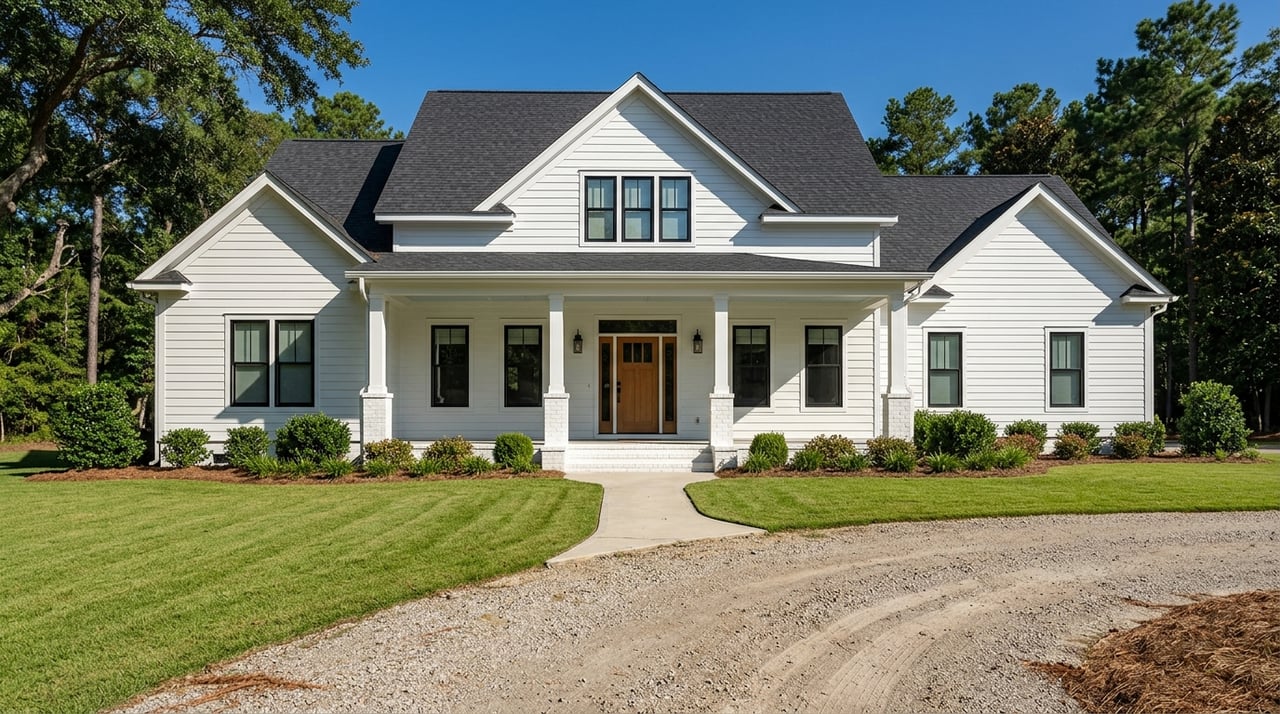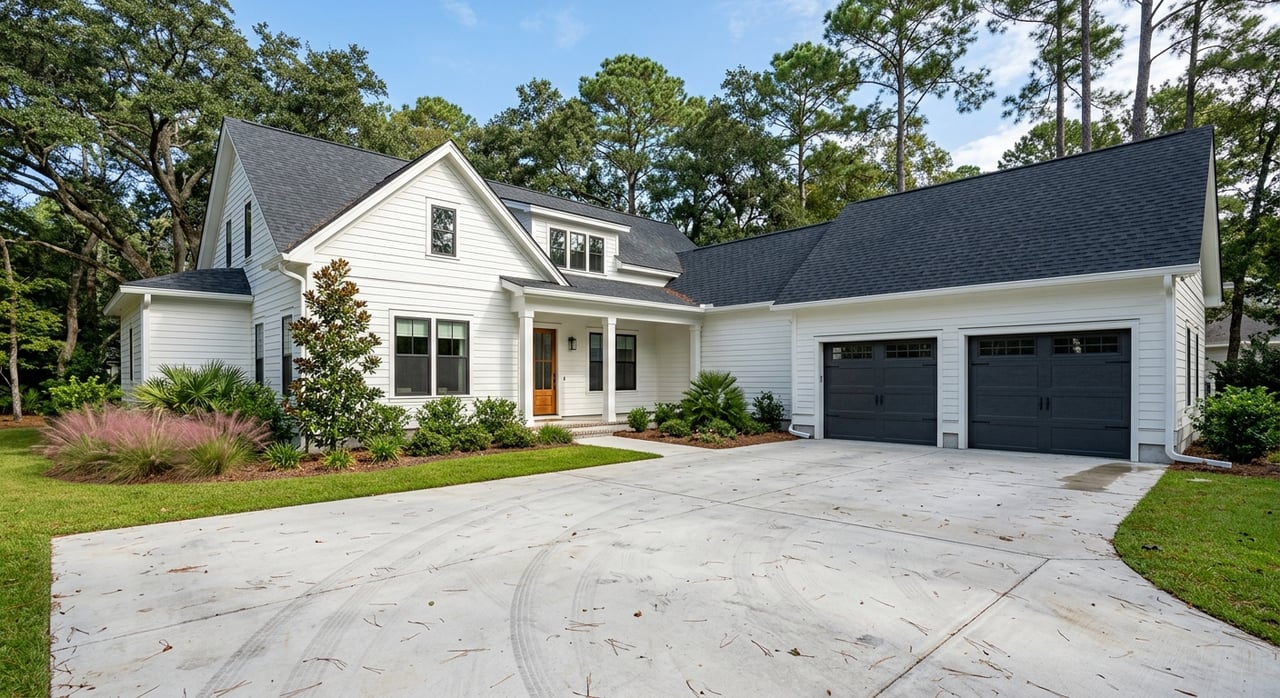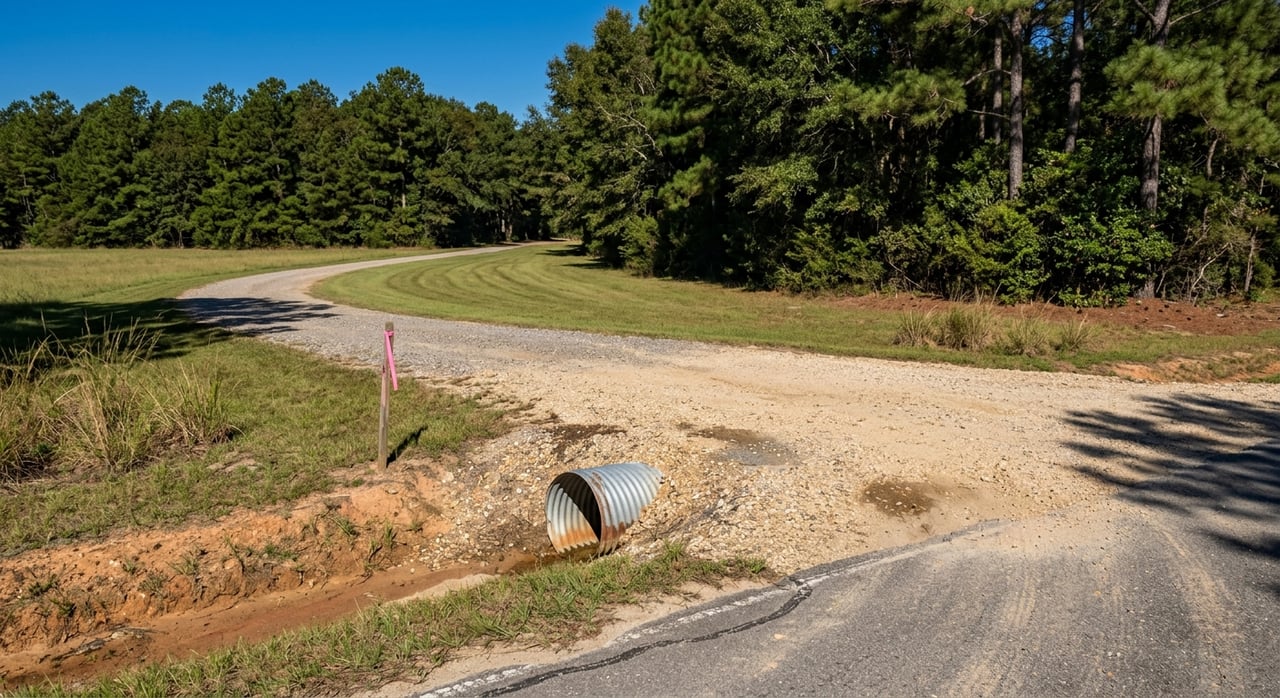
Selling land is not like selling a house, and in Pierce County, that difference matters. If you want to attract serious buyers, you need more than a sign and a price. You need to show what the land can be used for, how it can be accessed, what utilities may be available, and whether any zoning, flood, wetland, or tax issues affect the tract. If you prepare those details up front, you can market your property with more confidence and avoid delays later. Let’s dive in.
Start With Land Use
Before you list land or acreage in Pierce County, the first step is to confirm what the property can legally support. Pierce County’s zoning and land-use ordinance applies in unincorporated Pierce County and in Blackshear, Offerman, and Patterson, so it directly affects how a buyer may view your tract.
That matters because a parcel should not be advertised as a homesite, subdivision opportunity, farm, or timber tract unless the zoning and land-use rules support that use. In the county’s Agriculture/Forestry district, for example, farming, aquaculture, and commercial timber or pulpwood production are intended uses, while residential subdivisions are not allowed under the ordinance.
If your acreage falls in that district, a buyer may still be interested, but the marketing needs to reflect the property’s actual use case. Clear, accurate positioning helps serious buyers understand the opportunity and reduces confusion during due diligence.
Check Buildability Early
One of the most common buyer questions is simple: can I build here? In Pierce County, the answer depends on zoning, lot layout, and permit requirements, not just the size of the property.
The county’s permitting rules require an application to include a plat or plan drawn to scale that shows lot dimensions, location, and setback lines. The county also points property owners to both the zoning ordinance and the subdivision rules through its permit process, which signals that legal layout and site planning matter well before closing.
If you are not sure how your tract fits those rules, it is better to verify before listing than to let a buyer discover a problem later. A tract that is honestly marketed as recreational, timber, agricultural, or future-use land can still attract strong interest when the information is clear.
Confirm Access and Frontage
Access is one of the biggest value drivers for land in Pierce County. According to the county ordinance, lot width or frontage is based on the part of the parcel that abuts a public street right-of-way, and conditional-use review considers whether the street providing access is adequate and whether ingress and egress are safe and sufficient.
In practical terms, buyers want to know whether the tract has clear road frontage or a recorded easement. If access is unclear, weak, or unrecorded, the property can become harder to finance, harder to market, and harder to close.
Gather Proof of Legal Access
Before your listing goes live, it helps to pull together any documents that support access. That may include a survey, plat, deed reference, or recorded easement language that shows how the property is reached.
This is also where local parcel tools can help. Pierce County’s property assessor resources link to parcel mapping and tax record tools that can help you review parcel information, county and city lines, and assessor data before you market the tract.
Review Flood and Wetland Issues
Floodplain and wetland status can affect both value and buyer interest, so this is not a detail to gloss over. The county ordinance states that mapped Flood Zones A and AE are part of the county’s Flood Hazard District, and potential buyers should be notified when a property is subject to flood hazard.
The same ordinance also notes that county wetland maps are not a substitute for a U.S. Army Corps of Engineers wetland delineation and do not replace federal or state permitting requirements. That means a tract may look usable on a map but still require additional review if wetlands are involved.
Be Upfront About Constraints
If part of your land is in a flood zone or may include wetlands, transparency is the best strategy. Buyers are usually less concerned by a known issue than by a surprise that appears late in the transaction.
Good marketing for land in Pierce County should explain what is known, what is mapped, and what still needs verification. That approach helps set realistic expectations and gives buyers a cleaner path to making an informed offer.
Understand Utilities, Well, and Septic
Many Pierce County acreage tracts do not present like in-town lots with obvious public utility access. In the Agriculture/Forestry district, the county ordinance says utilities other than electricity, telephone, and broadband should generally be supplied by the land user rather than extended publicly.
For many buyers, that means they will immediately ask whether the property will need a private well and septic system. If you can answer that question early, your listing becomes much more useful and credible.
Well and Septic Details Matter
Georgia’s Department of Public Health says private wells should be placed as far as practical from pollution sources and must be at least 50 feet from a septic tank and 100 feet from a septic absorption field. The agency also says a private well should not be located in flood-prone areas unless the casing extends at least two feet above the highest known flood of record. You can review those standards on the state’s well water guidance page.
Pierce County also has a separate building and septic permit process, and Georgia’s onsite sewage guidance makes clear that absorption fields need adequate open land for installation and future replacement. They also cannot be covered by buildings, pavement, or vehicle traffic.
That means a tract can be large on paper but still limited in where improvements can go. If you have old permit records, site plans, or prior soil and septic information, gather it before listing.
Pull Together the Right Documents
A well-prepared land listing usually sells with documents, not just photos. Buyers often want to review the survey or plat, tax records, parcel maps, zoning information, utility notes, and any details that explain timber, access, floodplain, or current use.
One of the most useful items is a current survey, or at least a clean plat. Since Pierce County’s permitting rules rely on scaled plans and the zoning ordinance relies on recorded lot descriptions and frontage, a survey helps remove guesswork about shape, boundaries, and usable area.
Useful Pre-Listing Documents
Before you market your acreage, try to assemble:
- Current survey or recorded plat
- Deed and legal description
- Parcel map and assessor record
- Zoning and land-use details
- Flood zone or wetland information, if applicable
- Utility notes, including power, broadband, well, or septic history
- Timber information, harvest history, or forestry paperwork
- Any documents tied to special tax programs
The more complete your file is, the easier it is for a buyer to evaluate the property and move forward.
Verify Tax and Timber Status
Land buyers in Pierce County often look closely at taxes, current use, and timber value. Georgia property tax is ad valorem, meaning it is based on value, and the Georgia Department of Revenue says real property is generally assessed at 40% of fair market value. The state also notes that property-tax return filing is generally between January 1 and April 1, and that fair market value reflects what a willing buyer and willing seller would agree to in an arm’s-length sale. Those details are outlined on the Georgia DOR property tax valuation page.
For land, value is often tied to practical factors such as access, frontage, utility options, floodplain limitations, wetlands, and whether the tract supports residential, agricultural, timber, or recreational use. In other words, what the land can actually do often matters more than how it looks from the road.
Special Programs Can Affect a Sale
If your property is enrolled in a conservation-use or forest-land tax program, verify that status before listing. The Georgia Department of Revenue explains that bona fide agricultural property may qualify for conservation-use assessment, and certain forest land may qualify for forest-land treatment, but program details can vary based on the specific classification and acreage.
Standing timber also has its own tax implications. Georgia DOR says standing timber is not taxed until it is sold or harvested, at which point it is taxed on fair market value. If your acreage includes merchantable timber, buyers may want timber inventory, harvest history, or forestry documentation as part of their review.
Market Land With Better Information
Acreage should be marketed differently than a house. Buyers are usually not focused on finishes or decor. They want to see how the tract sits, what surrounds it, where access points are, and how the parcel may be used.
The National Association of Realtors notes that online listings should include strong visual information, including survey images, Google maps, and drone imagery, because those tools help buyers understand the property and its setting. For land in Pierce County, that often means aerials, frontage views, map overlays, utility notes, and boundary visuals do more work than a standard photo set.
What Strong Land Marketing Includes
A strong Pierce County land listing should usually include:
- A clear description of the tract’s likely use cases
- Aerial imagery and parcel maps
- Frontage and access details
- Survey or plat images when available
- Utility information or likely utility setup
- Flood zone or wetland context when relevant
- Timber and tax-program notes if they apply
This kind of presentation helps buyers sort through the facts quickly and decide whether the tract fits their goals.
Prepare for a Smoother Closing
Good preparation does not just help with marketing. It also helps the closing move faster. According to the National Association of Realtors Land Market Survey, most land sales close within 60 days nationally, and about one-quarter close in less than 30 days.
That timeline can feel fast if the title work, parcel research, and ownership documents are not ready. The more complete your information is before the listing launches, the better your odds of keeping the transaction on track.
Watch for Vacant Land Fraud
Vacant land also comes with a different fraud risk than occupied homes. NAR reports that vacant properties are a prime target for title fraud, and its reporting has found that a large share of title-fraud cases involve vacant land. You can read more in NAR’s article on vacant land title fraud risk.
NAR also recommends steps such as verifying identity, reviewing county records, confirming proof of ownership, and being cautious about unusual urgency, remote-only communication, or requests for remote closing arrangements. Their vacant land scam tip sheet offers practical guidance.
For sellers, this is another reason to work through the paperwork before a buyer appears. Clear ownership records and a careful review process can protect your sale from avoidable problems.
Why Local Guidance Helps
Selling land in Pierce County often comes down to preparation, clarity, and local detail. Buyers want to understand buildability, access, utilities, flood or wetland concerns, timber value, and tax status before they commit.
That is where hands-on guidance can make a real difference. If you are thinking about selling a tract in Pierce County, Jody Dupont can help you organize the facts, present the property clearly, and position it for a smoother sale.
FAQs
What should you verify before selling land in Pierce County?
- You should verify zoning, legal access, frontage, flood zone status, utility setup, and whether the tract may need a well and septic system.
Can you advertise land in Pierce County as buildable?
- You should only market land as buildable after reviewing zoning, lot layout, and permit requirements under Pierce County rules.
Does road frontage matter when selling acreage in Pierce County?
- Yes. Road frontage or recorded legal access can affect value, buyer interest, and how easily the property moves through due diligence.
Do buyers in Pierce County ask about well and septic options?
- Yes. Many acreage buyers want to know early whether the property will need private well and septic service and whether the site appears suitable for both.
Can flood zones or wetlands affect a Pierce County land sale?
- Yes. Flood hazard and wetland issues can affect development options, permitting, buyer confidence, and how the property should be marketed.
Should you get a survey before listing acreage in Pierce County?
- A current survey or clean plat is often very helpful because it can clarify boundaries, frontage, shape, and usable area for buyers.
Does timber value matter when selling land in Pierce County?
- Yes. Merchantable timber, harvest history, and any related tax treatment can affect pricing, buyer demand, and timing.
Can a tax program affect the sale of land in Pierce County?
- Yes. If the property is enrolled in a conservation-use or forest-land program, you should confirm the exact status before listing so buyers understand any obligations or benefits.