Buying land sounds simple until you realize one parcel can support your plans and another can stop them cold. If you are thinking about buying land in Pierce County, you need more than a price per acre. You need to know what you can do with the property, what it may cost to improve, and what county rules apply before and after closing. That is where a little local homework can save you time, money, and stress. Let’s dive in.
Start With Your Land Goals
Before you look at maps or make an offer, get clear on how you want to use the property. In Pierce County, that first decision shapes almost everything else, including zoning, permits, utility needs, and your true budget.
Ask yourself a few simple questions first:
- Do you want to build a home now or later?
- Will the land be used for agriculture, timber, recreation, or hunting?
- Are you hoping to place a manufactured home on the property?
- Do you want the option to split the tract in the future?
- Will you need public water and sewer, or are you open to a well and septic system?
Your intended use matters because Pierce County applies zoning and subdivision rules differently depending on the parcel and the project. A tract that works for one buyer may not work for another.
Build a Real Budget
The asking price is only one part of the cost of buying land. Raw land often comes with extra expenses that buyers do not always expect at first.
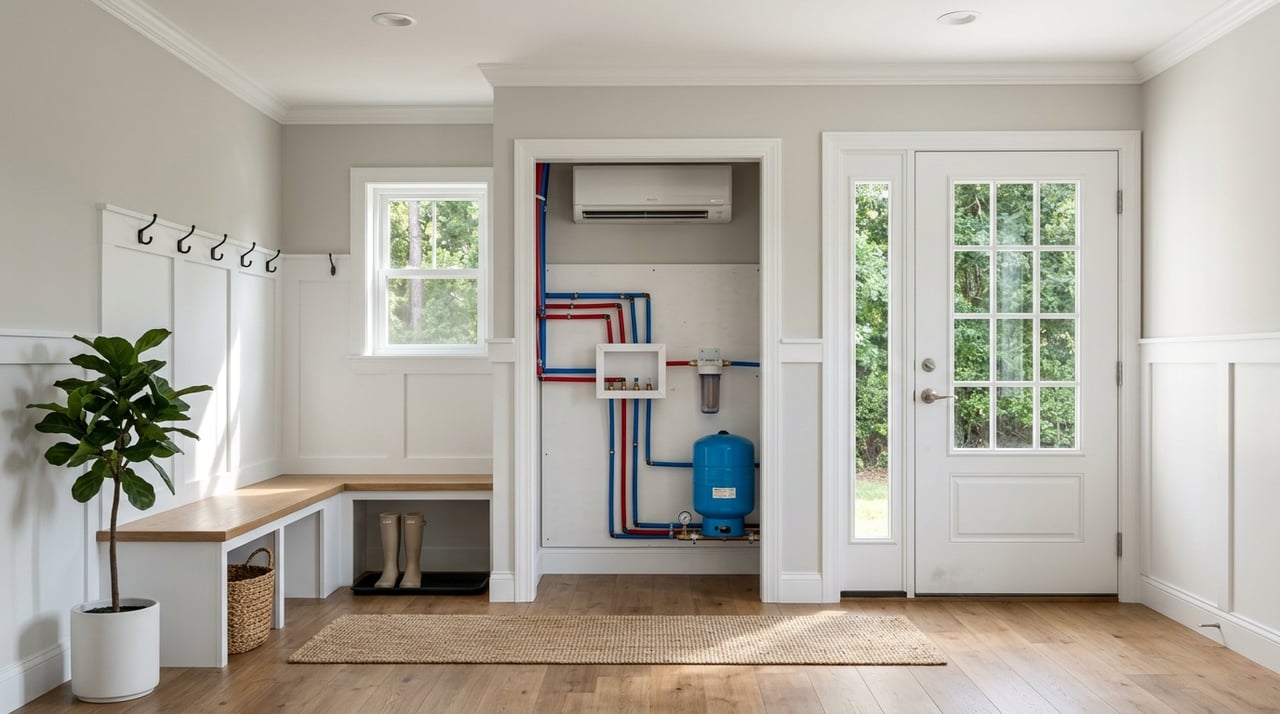
In Pierce County, subdivision rules can require road paving and drainage work. If water or sewer lines need to be extended, the developer bears that cost. If the property is outside public service areas, you may need a private water system or well and a septic system, along with permits and fees.
That means your land budget should include more than the purchase price. You may also need to plan for:
- Survey work
- Title review
- Closing costs
- Driveway or road access improvements
- Drainage work
- Well installation
- Septic system installation
- Permit fees
- Utility extension costs, if available
Check Zoning Before You Offer
One of the most important steps in buying land in Pierce County is confirming zoning before you commit. The county’s Planning & Codes Department handles zoning questions, rezoning requests, subdivision and site plan reviews, and implementation of the zoning and subdivision rules for the county and the cities of Blackshear, Patterson, and Offerman.
Pierce County’s zoning ordinance applies to land in the unincorporated county and in Blackshear, Offerman, and Patterson. Uses are allowed by right, by conditional use permit, or not allowed unless separately approved. If your intended use is not permitted in the parcel’s district, you may need to seek rezoning.
Why zoning matters so much
Zoning does more than say yes or no to a use. It also sets standards such as:
- Minimum lot size
- Road frontage
- Setbacks
- Minimum floor area
- Height limits
So even if a parcel looks perfect on paper, you should not assume it will work for a homesite, farm use, or future split without verifying the exact district rules.
Common land-use questions
Buyers often ask practical questions early in the process. In Pierce County, the answer usually depends on the parcel’s zoning and permit path.
For example, manufactured homes have a separate county requirements path, and there is also a mobile home move-on application. If you want that option, you should confirm it before making an offer.
If you are wondering whether you will need rezoning, the answer is simple. If the use is not allowed in the current zoning district, then yes, you will likely need to apply.
If you want to split the tract later, check both the zoning district rules and the county subdivision ordinance first. Lot size, frontage, road standards, and utility requirements can all affect whether a future division is realistic.
Review Subdivision Rules Early
Even if you are only buying one tract today, subdivision rules can still matter. They come into play when a parcel will be divided, when roads are added, or when utility service is not already in place.
Pierce County’s subdivision ordinance requires paving and drainage standards for roads. It also says new lots outside public water or sewer service must meet state and local requirements for wells, septic tanks, or private systems. The ordinance further states that wells and septic tanks cannot be installed without the required permits.
If your long-term plan includes creating more than one lot, this is not a detail to leave for later. It can affect both your budget and whether the property fits your goals at all.
Verify Access and Parcel Details
Access is one of the easiest things to overlook and one of the hardest problems to fix later. Before you buy, make sure you understand how the property is reached and whether the legal and physical access match your plans.
Pierce County’s Tax Assessor resources include a mapping application for parcel information and county or city lines, plus QPublic search records and tax estimates. These tools can help you confirm parcel boundaries, identify local jurisdiction, and gather basic tax information before you move deeper into due diligence.
If boundaries, frontage, or access points are unclear, this is where a surveyor can be especially helpful. That is often a smart step for boundary-sensitive tracts or parcels with uncertain access.
Understand Water, Septic, and Well Needs
Many land buyers in Pierce County plan to build outside public utility service areas. If that is your plan, utility feasibility should be part of your decision before closing, not after.
Pierce County’s permit process shows how this works in practice. The county lists separate applications for septic tank permits and well permits. The septic form says the health-department letter must be signed before building permits are issued.
Local well and septic details to know
The county’s well permit form shows a $70 fee. It also requires a post-construction coliform test before final approval and says the well must be installed by a licensed well contractor.
For septic, the county form lists a $135 fee for a new residential system. It requires the most recent plat for new systems and notes that the lot must be cleared and the corners marked.
These details matter because they affect timing, cost, and the work needed before you can move forward with building.
Check Flood Risk Before Closing
Flood review should be part of any land purchase, even if the tract looks dry when you visit it. FEMA’s Flood Map Service Center is the official public source for flood-hazard information, and those maps help people understand risk and help lenders determine insurance requirements.
FEMA also notes that flood risk can exist almost anywhere. For a land buyer, that means flood review is not just a box to check. It can shape where you build, what improvements are practical, and what carrying costs may look like later.
Know Burn and Clearing Rules
If you plan to clear land, remove debris, or prepare a homesite, check burn rules early. Pierce County has a local burn-ban policy, and Georgia Forestry Commission guidance says some outdoor burning requires permits or notifications while local ordinances still apply.
This is one of those issues that often comes up after closing, when buyers are ready to start work. A quick check ahead of time can help you avoid delays or costly mistakes.
Line Up Title, Taxes, and Financing
Land transactions usually need a little more upfront coordination than a standard home purchase. Title, taxes, and financing can all affect whether a deal moves smoothly.
For title, a contract to buy land does not itself give legal title. Title evidence should disclose easements, covenants, conditions, restrictions, and other encumbrances. That is why it is wise to work with a title company and, when boundaries or access are uncertain, a surveyor and real estate attorney.
Understand local property taxes
Pierce County’s tax commissioner states that property taxes are based on property value and millage, while the assessor determines value. If you are buying land for agricultural or timber use, there may be special assessment paths worth reviewing.
Georgia’s Department of Revenue says bona fide agricultural property can qualify for preferential agricultural assessment. It also says agricultural or timber land may qualify for conservation use assessment if the owner files with the county board of tax assessors and keeps the land in qualifying use for ten years.
Financing can look different for land
If you plan to buy now and build later, talk with a lender early. Buyers pairing a land purchase with a future home build may also want to explore USDA Rural Development single-family housing programs, which are designed for eligible rural areas and can help families buy, build, or repair a home. You should confirm area and income eligibility with a lender or USDA before relying on that option.
Bring in the Right Local Pros
A strong land purchase team can help you spot issues before they become expensive. In Pierce County, that often starts with local offices and professionals who deal with land questions every day.
Here are some of the most helpful people to involve early:
- The county planning office for zoning, rezoning, conditional use, and subdivision questions
- The assessor for parcel maps, county and city boundaries, and tax estimates
- A title company or attorney for title review and recorded restrictions
- A surveyor for boundary-sensitive tracts
- A septic or well contractor, along with the county environmental-health process, for utility feasibility
- A lender with experience in land or construction financing
If you plan to build after closing, Pierce County’s consumer tips also recommend verifying contractor licensure, insurance, and written contract terms. The county also advises checking the local permitting office’s experience with the contractor and being cautious about self-permitting.
A Simple Pierce County Land-Buying Checklist
If you want a practical way to stay organized, use this checklist before you go under contract or during due diligence:
- Define the property’s intended use.
- Confirm your full budget beyond the purchase price.
- Verify zoning and whether the use is allowed.
- Check lot size, frontage, setbacks, and other district standards.
- Review subdivision rules if you may split the tract.
- Confirm legal and physical access.
- Review parcel maps, boundaries, and tax estimates.
- Check well and septic feasibility if utilities are not public.
- Review flood-hazard information.
- Check local burn and land-clearing rules.
- Order title work and consider a survey.
- Talk with a lender about land or build financing options.
Buying land in Pierce County can be a smart move, whether you want room to build, invest, farm, or enjoy more privacy. The key is making sure the tract fits your plans before you close, not after. With the right questions and the right local guidance, you can move forward with a lot more confidence.
If you are thinking about buying land in Pierce County and want practical, local guidance from a team that knows Southeast Georgia acreage, connect with Jody Dupont to talk through your goals and the next steps.
FAQs
What should you check before buying land in Pierce County?
- You should confirm the parcel’s zoning, intended use, access, utility options, flood risk, subdivision potential, title issues, and total budget beyond the sale price.
Can you put a manufactured home on land in Pierce County?
- It depends on the parcel’s zoning and the county permit path, because Pierce County has separate manufactured-home requirements and a mobile home move-on application.
Do you need a well and septic system for land in Pierce County?
- If the parcel is outside public water and sewer service areas, you may need a private well and septic system, along with the required permits and fees.
Can you split land later in Pierce County?
- Maybe, but you should check the zoning district standards and the county subdivision ordinance first because lot size, frontage, road standards, and utility requirements can affect whether a split is allowed.
How do property taxes work for land in Pierce County?
- Property taxes are based on property value and millage, with value determined by the assessor, and some agricultural or timber land may qualify for special assessment if the county requirements are met.
Who can help you buy land in Pierce County?
- A strong team may include the county planning office, the assessor, a title company or attorney, a surveyor, septic or well professionals, and a lender experienced in land or construction financing.