Trying to choose between a condo and a cottage on Jekyll Island? It is a smart question, because ownership here works differently than in many other coastal markets. If you are buying a second home, planning for retirement, or looking for a lower-stress beach property, understanding the island’s leasehold structure can help you avoid surprises and choose the right fit. Let’s dive in.
Jekyll Island ownership works differently
Before you compare property styles, it helps to understand the foundation of ownership on Jekyll Island. The State of Georgia owns the land, and homeowners lease that land from the Jekyll Island Authority while owning the structure and improvements.
Current residential leases expire somewhere between 2049 and 2088. That means your decision is not just about floor plans or location on the island. You also need to review the lease terms, ongoing costs, and how the property will be used over time.
Jekyll Island ownership also comes with a broader cost picture than many buyers expect. According to the Jekyll Island Authority, leaseholders pay property taxes, maintenance fees, and annual lease rent.
If you plan to rent the property overnight, there is another layer to know. Owners must obtain a Jekyll Island Authority rental license and pay percentage rent equal to 3% of gross rental revenues.
Condo ownership on Jekyll Island
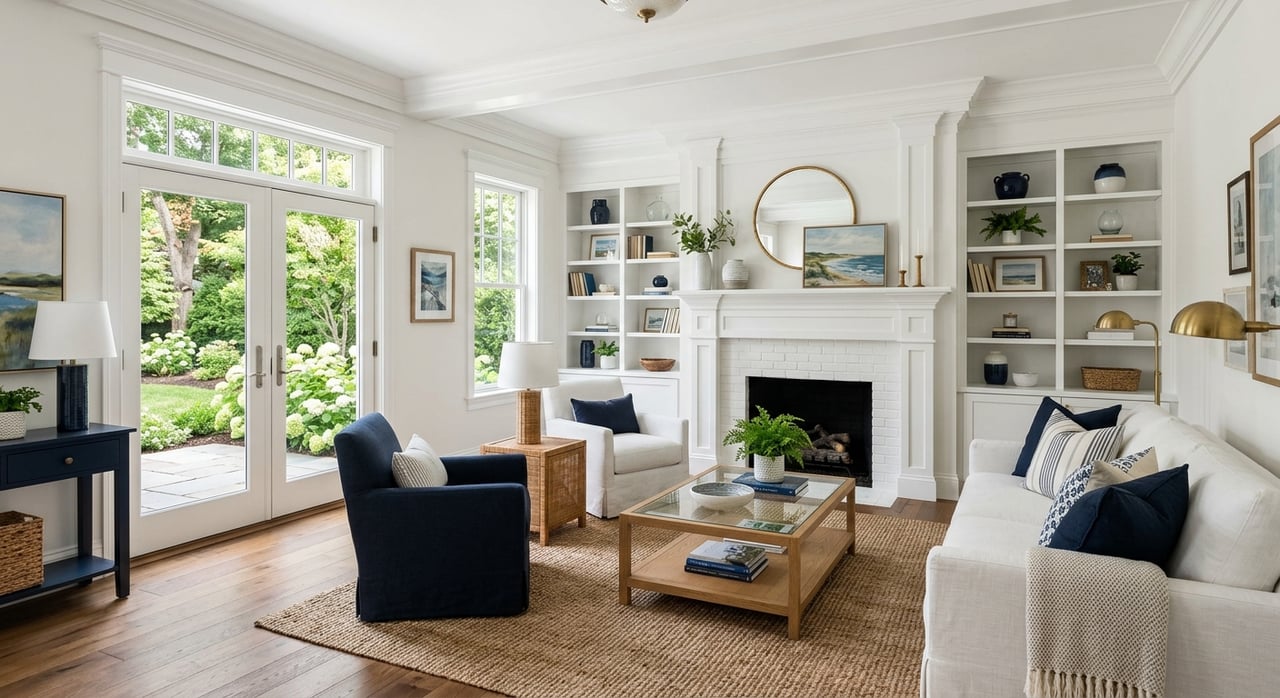
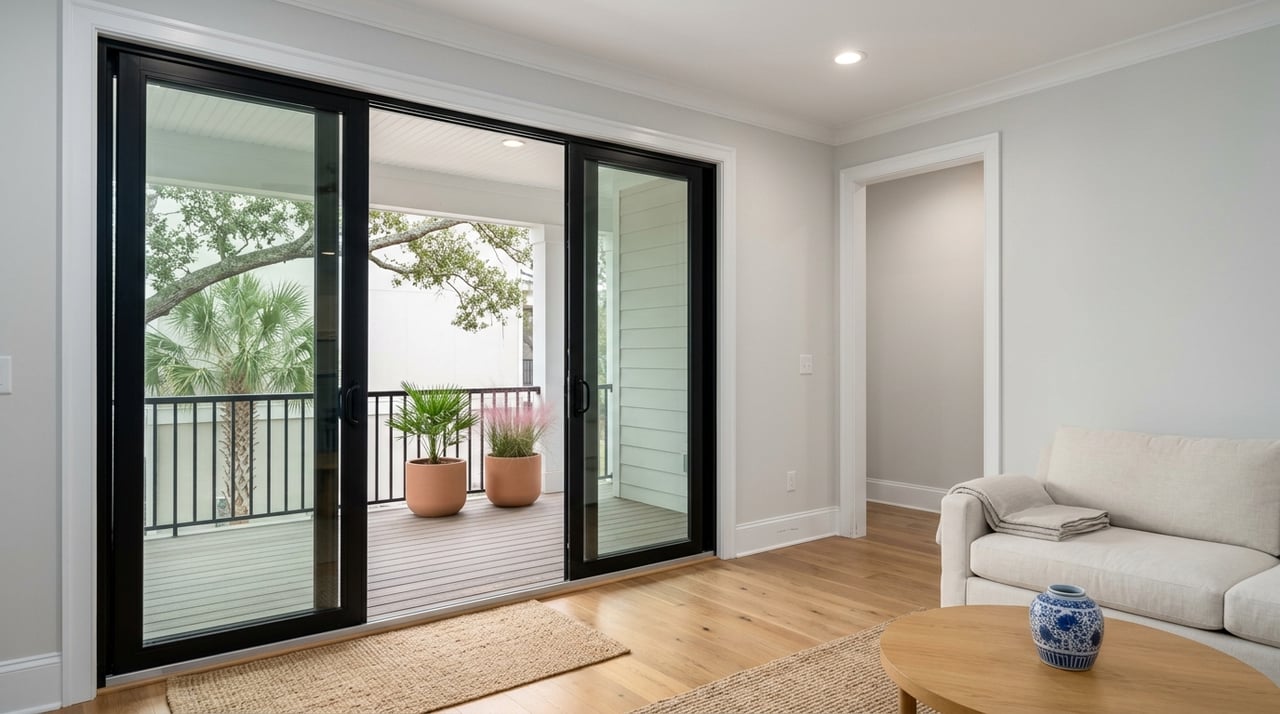
A condo on Jekyll Island can be appealing if you want a more simplified ownership experience. Under Georgia condominium law, condo ownership generally means you own your unit from the walls inward, while shared common elements are managed by the association.
That setup often means less personal responsibility for exterior upkeep and yard work. It can also make monthly costs feel more predictable, since common-area expenses are often handled through association dues or assessments.
At the same time, condo living usually involves shared spaces and shared decision-making. You may have less privacy and less direct control over exterior areas or common amenities than you would with a more house-like property.
It is also important to know that associations can assess owners for common expenses. Under Georgia law, unpaid assessments can become a lien against the unit.
On Jekyll Island, condo ownership sits on top of the island’s leasehold system. So when you evaluate a condo, you need to review both the Jekyll Island lease and the condominium documents.
What condo buyers should review
Before you move forward with a condo, take a close look at:
- The remaining lease term
- Monthly dues and any recent assessment history
- What the association covers for exterior maintenance and common elements
- Any rental rules or restrictions
- The condo declaration, bylaws, and any master association documents
The exact maintenance split can vary from one community to another. That is why it is important not to assume every condo on Jekyll Island works the same way.
Cottage ownership on Jekyll Island
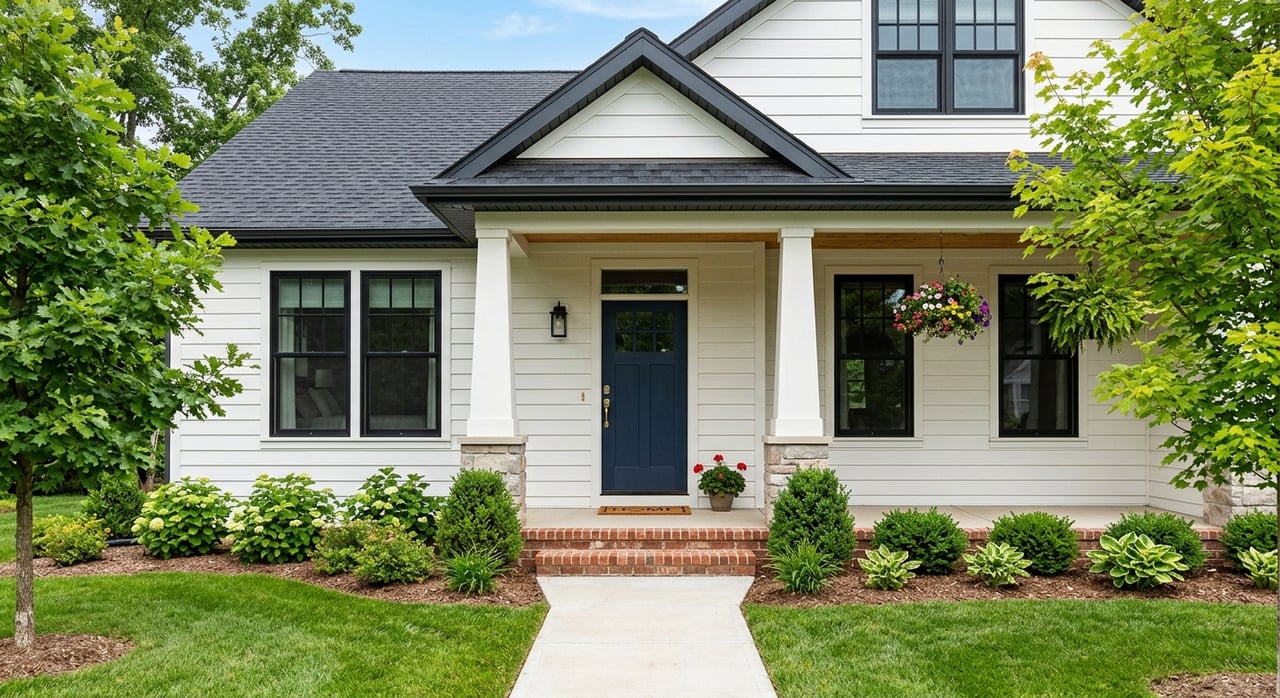
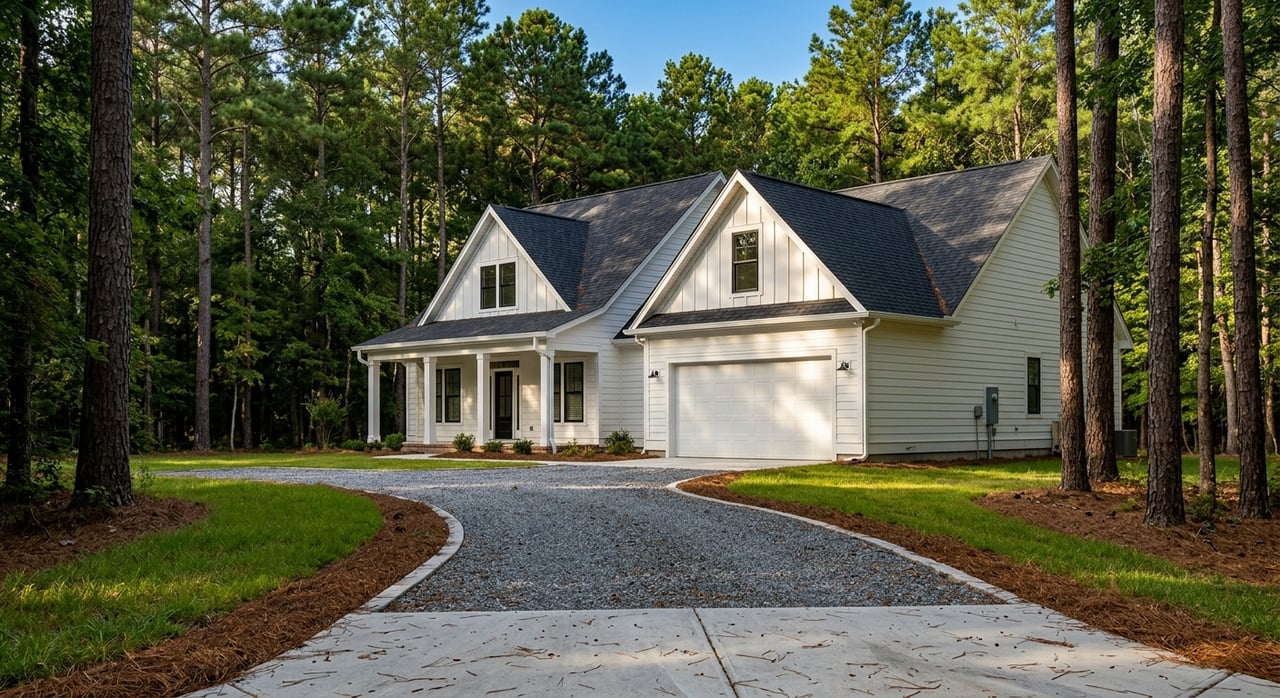
A cottage on Jekyll Island usually feels more like owning a single-family home. From the owner’s point of view, that often means more direct responsibility for maintenance and more control over the property.
Georgia consumer guidance says homeowners are generally responsible for routine repairs, roof and gutter work, paint, yard care, and pest control. For many buyers, that extra responsibility is worth it because the property feels more private and more personal.
If you like the idea of managing your own space and having a more traditional homeownership experience, a cottage may be the better fit. This can be especially appealing if you plan to spend more time on the island and want a property that feels less like shared living.
It is also worth noting that cottage does not always mean detached or rustic on Jekyll Island. For example, The Cottages Jekyll Island is described by the island as a 123-unit oceanfront community of townhouse-style cottages with an oceanfront pool and clubhouse.
That is a helpful reminder that property labels do not tell the full story. You still need to review the ownership documents, maintenance responsibilities, and community setup for the specific property you are considering.
What cottage buyers should review
If you are leaning toward a cottage, focus on:
- The remaining lease term
- Your likely maintenance workload
- Whether the property has any community dues or shared amenities
- Rental licensing requirements if you plan to rent it overnight
- Any remodel or improvement plans you may have
On Jekyll Island, residential remodels and additions, fences, pools, carports, garages, and similar projects go through island code review and, when required, Glynn County permitting. If customization matters to you, that review process should be part of your planning.
Condo or cottage: what matters most?
For most buyers, the choice comes down to lifestyle, maintenance, and how often you plan to use the property. It is usually less about which option is universally better and more about which one fits your routine.
Here is a simple side-by-side look:
| Factor | Condo | Cottage |
|---|---|---|
| Ownership structure | Unit ownership plus shared common elements, layered with Jekyll leasehold | More house-like ownership, layered with Jekyll leasehold |
| Maintenance | Often less exterior and yard responsibility, depending on documents | More owner-managed upkeep in most cases |
| Privacy | Usually less private due to shared spaces | Often offers a more private feel |
| Control | More association oversight of shared areas | More direct control of day-to-day property decisions |
| Costs | More expenses may be bundled into dues or assessments | More expenses may be paid directly by the owner |
| Best fit | Lock-and-leave buyers | Buyers wanting a house-like experience |
This comparison is a useful starting point, but community documents still matter. Responsibilities and costs can vary, so the details of the specific property should guide your final decision.
Budget for the full ownership picture
Whether you buy a condo or a cottage, your budget should go beyond the mortgage. On Jekyll Island, the recurring cost stack can include lease rent, property taxes, utilities, maintenance, and in some cases dues or assessments.
The Jekyll Island Authority also provides water, sewer, and trash billing. That makes utilities an important part of the island-specific ownership picture.
In general, condos tend to bundle more exterior and common-area costs into dues and special assessments. Cottages tend to shift more of those costs directly to the owner.
That does not mean one is always cheaper than the other. It means you should compare how the costs are structured and which setup feels more manageable for your goals.
Think about how you will use the property
Jekyll Island has strong appeal for second-home buyers and retirees, with 10 miles of public shoreline, more than 24 miles of bike paths and trails, and a public golf club. That lifestyle can look different depending on how often you visit and how hands-on you want to be.
If you want a property you can lock up and leave with less day-to-day upkeep, a condo may make more sense. If you want more privacy, more separation from neighbors, or a more home-like setting, a cottage may be the better choice.
If rental income is part of your plan, make sure you understand the licensing and percentage rent requirements before you buy. It is always better to confirm the rules early than to build a plan around assumptions.
Key questions to ask before you buy
No matter which direction you are leaning, a few questions can help you compare options clearly:
- How much time is left on the lease?
- What costs are fixed, and what costs may change?
- What does the association handle, if there is one?
- Are overnight rentals allowed for this property?
- How much maintenance do you want to manage yourself?
- Will you want to renovate, expand, or make exterior changes later?
These questions can quickly reveal whether a condo or cottage better fits your needs. They can also help you spot issues that might not be obvious during a showing.
Choosing between a condo and a cottage on Jekyll Island is really about matching the ownership structure to your lifestyle. When you understand the leasehold system, ongoing costs, maintenance responsibilities, and rental rules, you can make a decision with a lot more confidence.
If you want local guidance as you compare Jekyll Island properties, Jody Dupont can help you sort through the details and find the right fit for how you want to live, relax, or invest on the coast.
FAQs
What makes Jekyll Island ownership different from other coastal markets?
- Jekyll Island uses a leasehold structure, which means the State of Georgia owns the land, homeowners lease it from the Jekyll Island Authority, and owners hold the structure and improvements.
What should buyers know about Jekyll Island condo ownership?
- Condo buyers should review the remaining lease term, association dues, assessment history, rental rules, and the condo declaration and bylaws to understand maintenance and cost responsibilities.
What should buyers know about Jekyll Island cottage ownership?
- Cottage buyers should expect a more hands-on ownership experience, including responsibility for routine repairs, exterior upkeep, and planning around island code review for certain improvements.
Can you rent out a Jekyll Island condo or cottage overnight?
- If you rent the property overnight, you must obtain a Jekyll Island Authority rental license and pay percentage rent equal to 3% of gross rental revenues.
How do Jekyll Island condo and cottage costs usually differ?
- Condos often place more exterior and common-area costs into dues or assessments, while cottages often require owners to pay more maintenance costs directly, though exact costs depend on the property documents and community structure.