If you are dreaming about privacy, trees, room to build, or a place to enjoy the outdoors, rural land in Brantley County can be a great fit. But buying acreage is not the same as buying a house in town, and the details matter long before closing day. This guide will help you understand the biggest issues to check so you can move forward with more confidence. Let’s dive in.
Why Brantley County Land Needs Careful Review
Brantley County offers the kind of property many buyers want: wooded tracts, larger homesites, agricultural land, and recreational ground. That appeal is exactly why it is important to slow down and verify what a parcel can actually support.
In unincorporated Brantley County, the county land use ordinance regulates land uses, districts, permitted uses, development standards, appeals, and amendments. County officials also note that land-use amendments and special exceptions must follow the ordinance process. In simple terms, you should not assume a rural tract can automatically be used for every future plan you have in mind.
Check Land Use Before You Buy
A parcel may look perfect for a house, barn, manufactured home, storage building, hobby farm, or future split. Still, your intended use needs to be checked against county rules before you close.
That matters even more because Brantley County is working through a draft 2026 to 2031 joint comprehensive plan update. Long-term land-use direction is active, which means buyers should treat planning questions as current due diligence, not an afterthought.
Uses to confirm early
Before making an offer, ask whether your plan fits current county rules for the property. Common examples include:
- Building a new home
- Adding a barn or storage structure
- Placing a manufactured home
- Using the land for a hobby farm
- Splitting the property later
- Keeping the tract mostly wooded for recreation or timber
Access, Title, and Buildability Are Different Issues
One of the biggest mistakes acreage buyers make is assuming that if they can physically get to a property, legal access is settled. It is not. Rural land can have a visible path or road frontage, while legal access and improvement needs still require review.
Brantley County’s road department uses a culvert application that asks for the county road being accessed and the anticipated use of the property. That is a practical sign that driveway connections and road-entry improvements may require county coordination.
At the same time, deed review, plat review, and county record checks are part of a normal land purchase. The county provides access to records and permit resources through its offices in Nahunta, which can help you confirm what is documented before you commit.
A simple acreage due diligence checklist
Before closing, make sure you are separately reviewing:
- Legal access to the parcel
- Recorded title details and deed information
- Plat information and boundary references
- Road entry needs such as culverts or driveway coordination
- Buildability based on water, septic, and permit paths
- Planned use approval under county land-use rules
Utilities Can Shape the Whole Purchase
On rural property, utilities are often one of the biggest factors in cost, timing, and overall usability. In Brantley County, buyers may need county water, a private well, septic approval, or some combination of the three.
The county directory includes separate forms for septic tank permits, water permits, building permits, mobile home permits, and new address requests. That tells you something important: these are separate items to confirm, not details to assume will fall into place later.
What to know about private wells
If a parcel will rely on a private well, placement and testing matter. Georgia public health guidance says a well should be placed as far as practical from pollution sources and should not be in a flood area unless the casing extends at least two feet above the highest known flood of record.
There are also spacing rules to keep in mind. Wells must be at least 50 feet from a septic tank and 100 feet from a septic absorption field.
Georgia also requires wells to be installed by a licensed water well contractor, and the contractor must notify the county health department before drilling begins. Public health guidance recommends annual bacterial testing and a chemical screen every three years, and the county health department can sample private wells for bacteria upon request.
Well questions to ask
- Will the property need a private well?
- Is there a suitable well site outside flood-prone areas?
- Can the well location meet required separation from septic components?
- Has existing well water been tested, if a well is already on site?
Septic Approval Is Its Own Buildability Test
A cleared homesite does not automatically mean the parcel is ready for a house. In Brantley County, septic approval should be treated as a separate buildability question.
Georgia rules regulate onsite sewage management systems statewide, and the county health department’s environmental health role includes on-site sewage programs. If you are planning to build, place a manufactured home, or create a long-term homesite, you will want to confirm the septic path early.
Manufactured homes have local requirements
If your plan includes moving a manufactured home onto the property, check the county rules before closing. Brantley County code requires pre-owned units moved into the county to be anchored and skirted, and they cannot be occupied until those standards are met.
The county code also states that new or altered buildings require a certificate of occupancy before use. That makes timing and compliance especially important if you are hoping for a quick move-in after purchase.
Wooded Land Has More Than One Kind of Value
A wooded tract can offer privacy, recreation, and long-term potential. It may also have timber value, which is something buyers often overlook.
If the property contains timber, the Georgia Forestry Commission recommends working with a registered consulting forester for harvest planning and timber sales. That can help you better understand what is on the land and avoid making decisions based only on appearance from the road.
Georgia also taxes timber once during growth, at the time of harvest or sale. If timber is part of your long-range plan, that is another reason to review the property carefully before you buy.
Agricultural and hobby-farm plans need homework too
If you picture a garden, pasture, wildlife food plot, or small-scale farm, the land itself needs to support that use. Soil quality, drainage, and site conditions can all affect whether your plans are practical.
UGA Extension Brantley County in Nahunta is the local research-based resource for buyers thinking about planting or land improvement. UGA soil testing is designed to identify lime and fertilizer needs for lawns, gardens, wildlife food plots, and other plants.
Good questions for farm or garden use
- Has the soil been tested?
- How much of the tract is usable versus wet or low-lying?
- Will you need open space cleared from existing woods?
- Does your intended use align with county land-use rules?
Recreational Land Should Match How You Will Use It
Brantley County is a strong fit for buyers who want outdoor space. The Satilla River runs about 50 miles through the county, and the Little Satilla runs about 12 miles through it. The county also lists public boat ramps and supports the Satilla River Water Trail.
If you are buying for hunting, fishing access, trail riding, or weekend use, those local features can shape what parcel makes the most sense. A tract that looks similar on paper may feel very different depending on river access, road approach, and how much usable ground it offers.
Emergency access matters on rural tracts
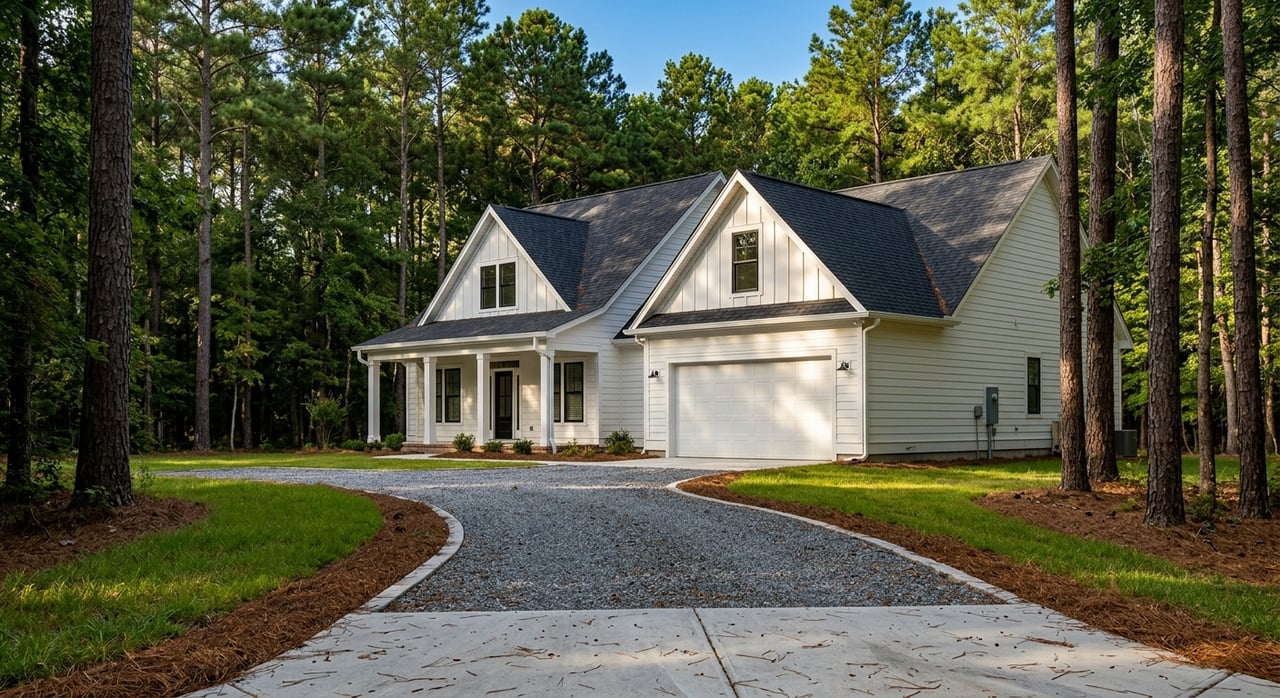
Wooded acreage can feel peaceful and private, but access during bad weather is part of smart planning. Brantley County emergency management points residents to hurricane preparedness tools, wildfire go-bag guidance, and family communication planning.
For buyers, that means evaluating long driveways, dense tree cover, and low-lying areas with a practical eye. Think about emergency routes, storm response, and whether the property can be reached easily if conditions change.
Property taxes and county filings to remember
After you buy, deadlines still matter. Georgia’s Department of Revenue says property tax returns are filed from January 1 through April 1, homestead exemption applications may be made up to April 1 of the first year for which the exemption is sought, and appeals to fair market value must be mailed within 45 days of the notice of assessment.
Brantley County’s tax offices are in Nahunta. If you plan to make the property your primary residence, keeping track of those dates can help you avoid missing an important filing window.
Smart Questions Before You Make an Offer
When you are comparing rural acreage, a few clear questions can save you time and money. Ask these before you get too far into the process:
- Is there legal access to the parcel?
- Will a county road entry or culvert be needed?
- What uses are allowed today under county rules?
- Would your plan require a special exception or amendment?
- Will the property need county water, a private well, septic, or all three?
- Is there a suitable well site outside flood-prone areas?
- If the tract is wooded, has timber value been reviewed?
- If you want to plant or farm, has a soil test been done?
- If you plan to live on the land soon, is the certificate of occupancy path clear?
Buying rural acreage in Brantley County can be a smart move when the property matches your goals and the details check out. The key is to look beyond the trees, road frontage, or price per acre and focus on how the land will actually work for you. If you want a local team that understands Southeast Georgia land and can help you evaluate the practical side of an acreage purchase, reach out to Jody Dupont.
FAQs
What should you verify before buying rural land in Brantley County?
- You should confirm legal access, permitted land use, utility options, septic feasibility, and whether county road-entry or permit work may be needed.
Can you automatically build on wooded land in Brantley County?
- No. You should check county land-use rules, septic approval, utility needs, and the certificate of occupancy path before assuming a wooded parcel is buildable.
What should you know about wells on Brantley County acreage?
- Private wells must follow Georgia public health guidance for placement and separation from septic components, and they must be installed by a licensed water well contractor.
Does a cleared homesite in Brantley County mean septic will be approved?
- No. Septic approval should be treated as a separate buildability check, even if the property already has a cleared area.
Are there special rules for manufactured homes in Brantley County?
- Yes. County code says pre-owned manufactured homes moved into the county must be anchored and skirted, and they cannot be occupied until those standards are met.
Why does recreational land location matter in Brantley County?
- It matters because features like river access, road approach, public boat ramps, and emergency access can affect how useful the property is for your plans.