Thinking about selling your Pierce County home but not sure where to start? You are not alone. In a smaller, rural market like ours, pricing can feel tricky and prep work can feel endless. The good news is you can set yourself up for a faster, smoother sale with a clear plan that fits how buyers shop in Southeast Georgia.
In this guide, you will learn how to set a confident list price, what to fix or freshen before photos, and how to time your listing. You will also get a simple checklist to keep everything on track. Let’s dive in.
Know the Pierce County market
Pierce County is a primarily rural market. That means fewer MLS-listed sales and more variation from one property to the next. A solid pricing plan depends on very recent, local comparable sales and on-the-ground knowledge.
Local demand often reflects regional trends from nearby counties like Ware and Brantley. Commuting patterns, the school calendar, and the agricultural economy all influence activity. Thin data makes accuracy and local context essential.
Before you list, gather a market snapshot for the last 3 to 6 months. Look at median sale price, days on market, list-to-sale price ratio, and the pace of new pendings. If data are sparse, expand to adjacent areas while keeping property type and acreage comparable.
Set the right price
Start with a Comparative Market Analysis built from recent closed sales, plus active and pending listings for context. Prioritize comps that match your home’s location, lot size, square footage, age, condition, and key features like barns, ponds, or a private well.
When data are thin, expand outward in small steps. For acreage, use both per-square-foot and per-acre perspectives to avoid overvaluing land or undervaluing the home. Confirm property details against assessor records to avoid errors.
Adjust for condition and major systems. Roof, HVAC, septic, and structural items weigh heavily on value. Access type also matters. A home on a paved road can perform differently than one on a private or graded road. Outbuildings, timber value, and usable outdoor areas can add appeal when priced correctly.
Choose a pricing strategy
You have three common options, each with tradeoffs:
- Market-value pricing: Anchored to your best CMA. This usually delivers steady showings and a fair offer timeline.
- Slightly under market: Useful when inventory is tight and demand is strong. It can spark multiple offers and a faster sale, but you risk leaving money on the table.
- Slightly above market: Can work if your home offers clear, unique value such as acreage or recent upgrades. The risk is longer days on market and eventual reductions.
National research shows frequent or early price reductions often lead to longer days on market and lower final prices. In Pierce County, where buyers track new listings closely, getting the initial price right is especially important.
Prep that moves the needle
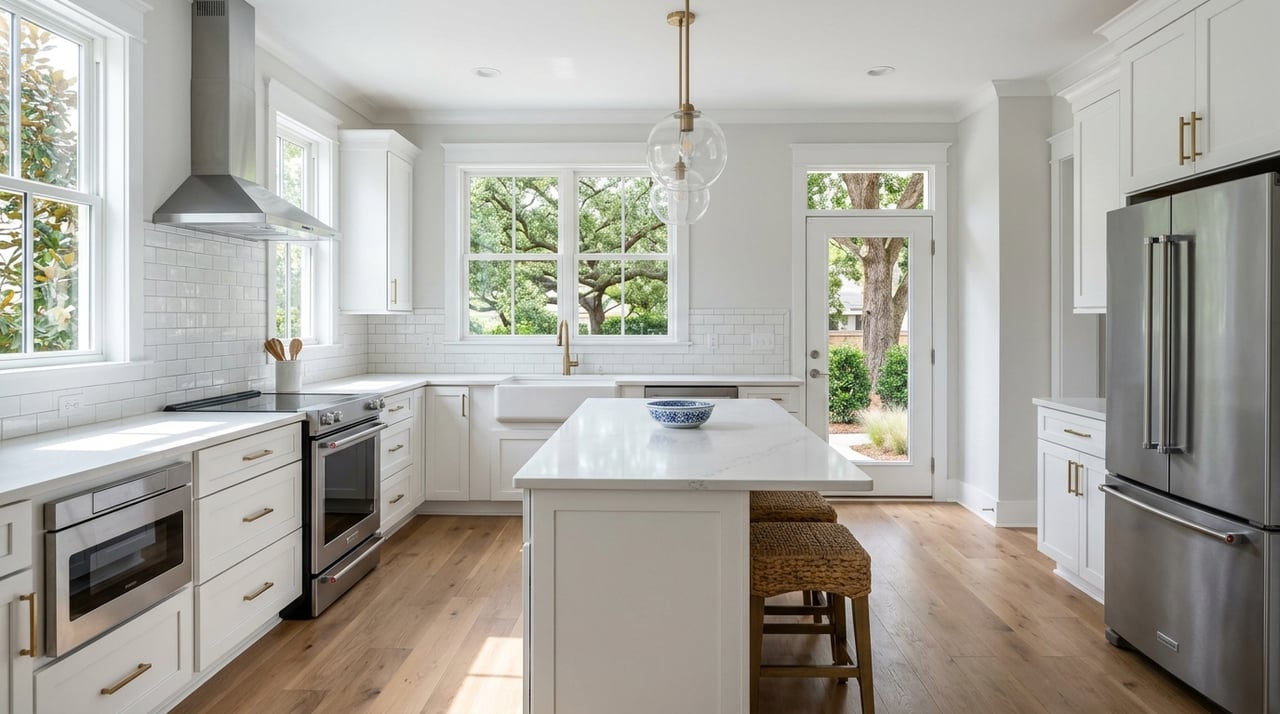
Think clean, safe, and move-in ready. You do not need a full remodel. Focus on the items buyers in Southeast Georgia notice most.
High-ROI basics:
- Deep clean, declutter, and remove personal items.
- Fresh neutral paint in high-traffic rooms.
- Repair leaky faucets, damaged trim, and broken fixtures.
- Service the HVAC and replace filters.
- Replace worn carpet or professionally clean flooring.
- Brighten every space with new bulbs and clean fixtures.
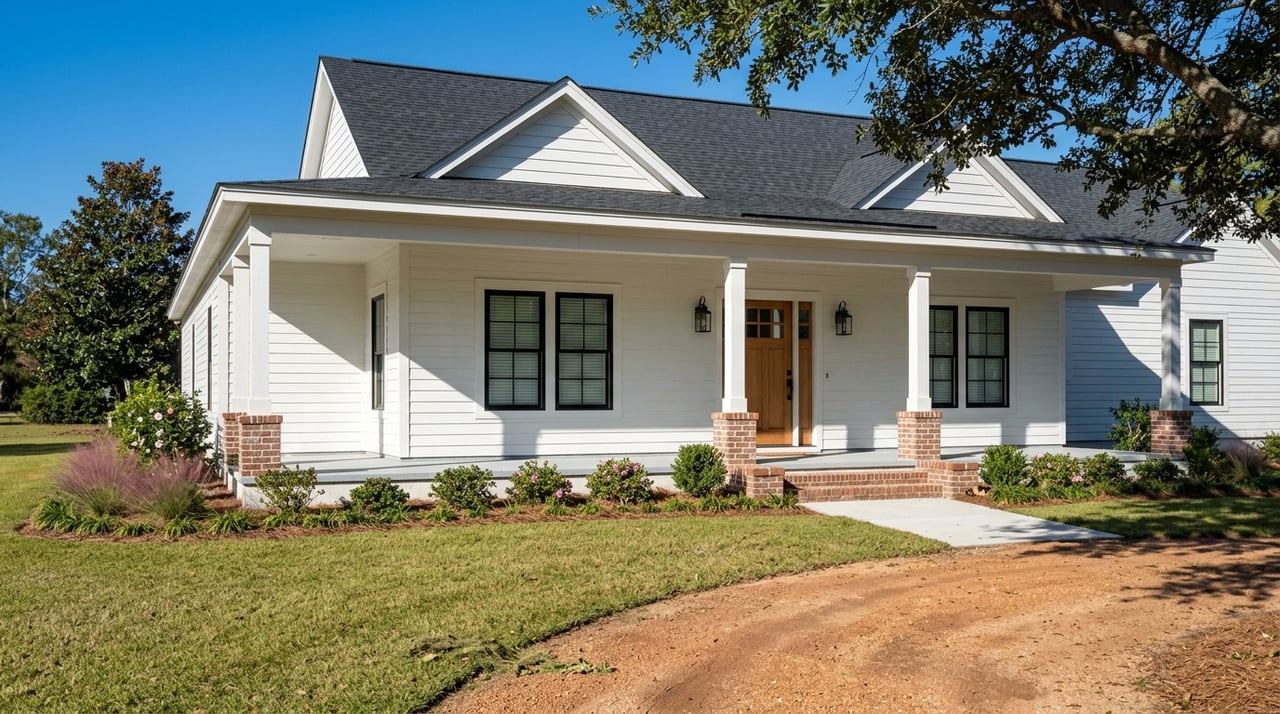
- Boost curb appeal: mow, trim, pressure-wash, and refresh mulch.
These steps make your home show better in photos and in person. They also shorten buyer hesitation that can slow offers.
Inspections and records to gather
Pre-listing inspections can prevent surprises and give buyers confidence. In our climate, this is especially helpful.
Priority checks in Southeast Georgia:
- Roof and gutters: Fix leaks or missing shingles. Moisture spreads quickly in humidity.
- Termites and wood-destroying organisms: Georgia is higher risk. Many buyers request a WDO inspection and treatment documentation.
- HVAC and humidity control: Clean, service, and confirm proper operation to avoid odor or mold concerns.
- Moisture and mold: Inspect crawl spaces and attics. Remediate visible mold and rot where practical and document the work.
- Septic and well: If applicable, gather pumping records, inspection reports, and water tests for bacteria or nitrates. Buyers often ask for these.
- Structural issues: If you see settling or damage, consult a professional and disclose findings.
- Safety items: Smoke and carbon monoxide detectors, handrails, and obvious electrical hazards.
Having receipts, warranties, and inspection records ready removes friction during due diligence and supports your price.
Stage, shoot, and show
Good presentation drives traffic. For rural and acreage properties, it also tells the story of how the land lives.
- Staging: Depersonalize, define each room’s purpose, and highlight outdoor living areas like porches and decks.
- Photography: Invest in professional photos that include wide interior shots and compelling exterior angles. For larger tracts, aerial views help buyers understand layout.
- Virtual tours: 3D tours or video walkthroughs help out-of-area buyers and reduce unnecessary showings.
- Accurate listing details: Note water and sewer type, acreage, outbuildings, recent system updates, and any utility access details that matter to buyers.
Aim to complete prep, inspections, and photos over 2 to 6 weeks, depending on scope and contractor availability.
Pick your timing
Spring often brings the strongest buyer activity, with a secondary bump in fall. In Pierce County, summer can still be active, especially for families targeting moves between school years. Validate your timing with recent local MLS patterns.
Weather matters. Southeast Georgia summers are hot and humid. If you list then, highlight strong climate control and shaded outdoor space. Shoulder seasons offer more comfortable showings.
Rates influence behavior. When mortgage rates rise, buyers become more price-sensitive. A move-in-ready home with a confident price usually performs better than a project house in that environment.
Your step-by-step pre-listing checklist
Use this to stay organized:
- Request a local CMA with 6 to 12 strong comps. Expand to nearby counties only if needed.
- Order a pre-listing home inspection and WDO inspection.
- Address roof, HVAC, electrical hazards, and obvious moisture issues first.
- Fix minor deferred maintenance and safety items.
- Service HVAC and replace filters; confirm hot water heater operation.
- Deep clean, declutter, and apply neutral paint where needed.
- Improve curb appeal and pressure-wash exterior surfaces.
- Gather septic records; consider a current inspection if applicable.
- Order a well water test if applicable and keep documentation handy.
- Compile receipts, warranties, permits, surveys, and any deed restrictions.
- Schedule professional photography and, for acreage, aerial imagery.
- Complete seller disclosure forms commonly used in Georgia transactions.
- Confirm flood zone status and insurance implications if relevant.
- Align on pricing strategy, showing plan, and communication routine with your agent.
Compliance and documentation basics
If your home was built before 1978, prepare the lead-based paint disclosure and EPA pamphlet. In Georgia, many buyers and MLS processes expect a Seller’s Property Disclosure form. Be ready to disclose known issues and provide related documentation.
If your property lies in a Special Flood Hazard Area, buyers with financing will usually need flood insurance and supporting documents. If you are selling acreage, clarify whether timber, mineral, or water rights transfer with the sale.
What to expect after listing
Track your progress with a few simple metrics:
- Showings per week: Are you getting steady traffic?
- Days on market: How do you compare to similar homes nearby?
- Buyer feedback: Are price or condition concerns repeating?
- Offer activity: Is the list-to-sale ratio in line with your plan?
If you see low showings or repetitive feedback on condition or price, adjust quickly. In a smaller market, the first two weeks are your best window to attract serious buyers.
Local resources to keep handy
- Pierce County Tax Assessor or Board of Assessors for property characteristics and assessed values.
- Pierce County Health Department for septic and well guidance.
- County Clerk or Recorder for deed records and sale dates.
- University of Georgia Cooperative Extension for termite prevention, pest control, and landscape tips.
- FEMA Flood Map Service Center for flood zone identification.
- Licensed local home, WDO, septic, and well inspectors, plus reputable contractors. Obtain multiple bids.
- Local MLS access through your listing agent for accurate comps and trend updates.
Ready to sell with confidence?
A smart price, solid prep, and clean documentation will put your Pierce County home in the best position to sell. When you combine local knowledge with thoughtful marketing, you give buyers reasons to move quickly and pay strong value.
If you want a clear plan tailored to your property, reach out for a free, no-pressure consultation. Start with a custom valuation and a step-by-step prep timeline from Jody Dupont.
FAQs
How should I price a Pierce County home with acreage?
- Start with recent local comps that match both home attributes and land size. Use per-square-foot and per-acre views, then adjust for condition, access type, outbuildings, and utility details.
What prep delivers the best return before listing?
- Focus on deep cleaning, neutral paint, curb appeal, minor repairs, and servicing major systems. In our climate, address roof, HVAC, moisture, and WDO risks first.
Do I need septic and well documentation to sell?
- If your property uses septic or a private well, buyers often request pumping records, inspection reports, and recent water tests. Having them ready builds trust and speeds due diligence.
Is spring really the best time to list in Pierce County?
- Spring often brings stronger activity, but success depends on your home’s readiness and local MLS trends. A well-priced, market-ready home can sell well in other seasons too.
Should I price under market to get multiple offers?
- Underpricing can work in low-inventory conditions, but it carries a risk of leaving money on the table. Accurate CMA-based pricing is the most consistent strategy in our area.