You want a place where you can slip out before sunrise, hear turkeys wake up, and spend weekends making memories. In Ware County, the land itself sets the tone for great hunting and year‑round recreation, but buying the right tract takes more than a quick drive‑by. Access, wetlands, timber, and local rules can all shape what you can do and what the property is worth.
This guide walks you through what to look for, which regulations matter, how taxes and financing work for rural acreage, and a step‑by‑step checklist to protect your investment. You will also find local resources and contacts to keep your due diligence on track. Let’s dive in.
Why Ware County works for land buyers
Ware County sits in Georgia’s coastal plain, where pine flatwoods, cypress swamps, and hardwood drainages create strong wildlife habitat. Deer, turkey, small game, and feral hogs use the mix of cover and edges. Nearby public lands add to the region’s appeal. The Okefenokee National Wildlife Refuge offers managed hunts in specific units with special rules and permits, and state‑managed opportunities are supported by the Georgia DNR’s hunter resources. These public tracts influence regional wildlife patterns and local hunter traffic, so it helps to understand how your parcel relates to them.
If you want a place for a weekend cabin, a family hunting camp, or a long‑term timber hold, Ware County’s landscape gives you options. The key is matching your goals to the right property features.
Key land features to evaluate
Access and legal entry
Start with legal access. Confirm whether the tract fronts a public road or relies on a deeded easement. If it is an easement, verify that it is recorded and that it allows the type of use you need, including trucks, trailers, and ATVs. County Planning & Codes can help you confirm whether a road is public or private and whether any driveway or encroachment rules apply. You can review local contacts on the county’s Planning & Codes page at the Waycross–Ware County Planning & Codes website.
Habitat and wildlife value
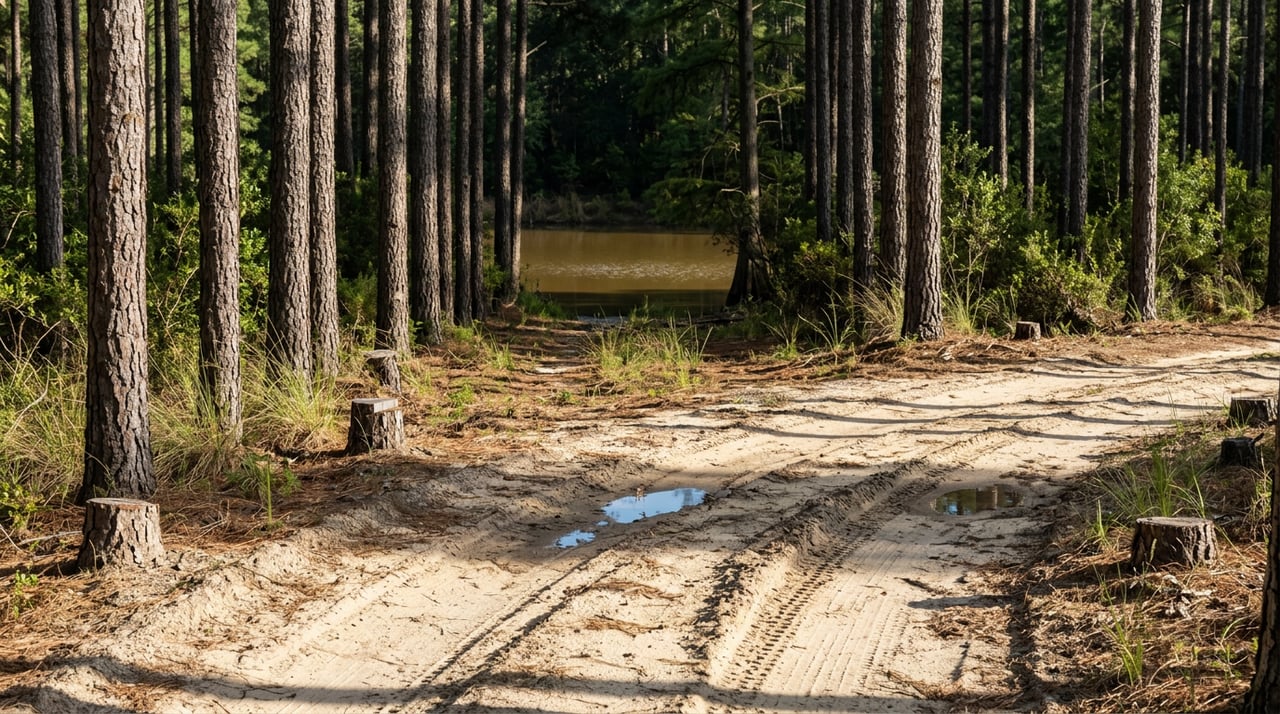
Diverse cover supports consistent hunting. Map what you see on aerials and then ground‑truth it: pine plantations at different ages, hardwood bottoms and drainages, cypress strands, beaver ponds, and openings for food plots. Look for travel corridors between bedding and feeding areas, and check edges where habitat types meet.
Water, wetlands, and flood potential
Ponds, creeks, and wetland drainages attract wildlife and can boost recreational value. They can also limit where you can build or place a septic system. Before you fall in love with a tract, screen it with the USFWS Wetlands Mapper and pair that with soils data and local flood references. If you see signs of hydric soils or mapped wetlands, plan for a professional delineation and be ready for permits or buffers that affect your usable acreage.
Timber and management
Timber can be part of your return and your cover. Take stock of species and stand age, look for recent harvests, and note the internal road network. Pine stands in various age classes can support long‑term management through thinning and replanting. Markets shift by quarter and subregion, which is why a current timber cruise matters. For planning and context, review the University of Georgia’s timber outlook on stumpage trends in the Southeast at the UGA CAES timber forecast.
Soils and buildability
On flat coastal‑plain ground, soils make or break septic and drainage. Pull parcel data from the NRCS Web Soil Survey to check for hydric soils and septic suitability. If you plan a cabin, confirm well and septic feasibility early, then loop in the county for any approvals tied to your intended use.
Neighboring uses and public lands
Tracts near public lands can experience more through‑traffic on open seasons, and some buyers prefer a buffer or a larger interior. Others appreciate being close to a WMA or refuge entrance for extra hunt options. Cross‑check your parcel against public hunting opportunities on the Georgia DNR hunter resources page and the Okefenokee NWR hunting page so you understand the context.
Rules, hunts, and permissions
Local permitting checks
Before you plan a new entrance, internal road, or future splits, confirm local rules. The Waycross–Ware County Planning & Codes office posts contacts and meeting agendas online. Use this resource to check driveway and encroachment permits, subdivision limits, and any neighborhood or overlay rules that could affect your plans. Start at Ware County Planning & Codes.
Hunting law basics in Georgia
In Georgia, you must have permission to hunt on private land. When land is posted and law enforcement is notified, that permission must be in writing and carried by the hunter. Many tracts also have existing leases for hunting or timber that can transfer with title unless specifically reserved. Review Georgia’s statute and plan to document any lease arrangements in your contract. You can read the law at OCGA § 27‑3‑1.
Public hunt opportunities nearby
The Okefenokee National Wildlife Refuge has unit‑specific rules, permit windows, and limited acreage for hunts. State WMAs and hunter resources are organized by the Georgia DNR at the DNR hunter resources page. If you are buying a tract for family or guest hunts, compare seasons and access points to understand pressure patterns and travel routes.
Taxes, timber income, and financing
Conservation use tax benefits
Georgia’s Conservation Use Valuation Assessment, often called CUVA or current‑use, can reduce property taxes for bona fide agricultural or timber uses. These programs come with multi‑year commitments and specific eligibility rules, so you need to verify whether a property is currently enrolled and what that means for you. The Georgia Department of Revenue posts rules and valuation guidance that your advisor can use to confirm details. Review the state guidance at the Georgia Department of Revenue.
If your tract is not in a special program, ask the county assessor about eligibility. Standing timber is commonly taxed at harvest rather than as real property, which also affects your long‑term math.
Timber value reality
Timber markets move with mill demand, housing, and regional capacity. Pine pulpwood and sawtimber trends can soften or spike by quarter, and value varies by subregion. Do not guess. Commission a current timber cruise and use it for both pricing and loan discussions. For regional context, read the UGA CAES timber forecast and pair that with a local forester’s on‑the‑ground opinion.
Financing options that fit land
Raw or lightly improved land usually requires larger down payments and sometimes higher interest rates than a home mortgage. Dedicated agricultural lenders understand recreational and timber tracts and often offer structures designed for rural buyers. AgSouth Farm Credit serves Georgia and actively finances timber and hunting land. Start your lender conversations with a rural land specialist such as AgSouth Farm Credit, then compare options at local banks and credit unions. Many lenders will ask for a survey, a timber cruise if applicable, and clear access documentation. Seller financing can also be an option in rural markets.
Due diligence checklist for Ware County
Use this practical checklist to keep your process organized. Build your purchase agreement around the time you need to complete these steps.
- Title, easements, and access
- Order a title commitment. Confirm recorded access and whether any right‑of‑way restricts motorized use. Ask the seller about reserved timber or mineral rights and any hunting leases. For parcel data and tax status, check the Ware County Tax Assessor records.
- Boundary survey and corners
- Require a current, stamped boundary survey to verify acreage, corners, and any encroachments. Confirm that gates and internal roads cross areas with recorded easements.
- Timber cruise and forest condition
- Hire a forester or licensed buyer to produce a timber cruise. Use it to estimate merchantable volume, access for harvest equipment, and recommended management such as thinning or prescribed fire. Reference regional trends with the UGA CAES timber forecast.
- Soils, wetlands, and flood risk
- Pull soils using the NRCS Web Soil Survey. Screen for wetlands with the USFWS Wetlands Mapper. If hydric indicators or mapped wetlands appear, plan for a delineation and check any local floodplain mapping during your inspection window.
- Utilities, septic, and wells
- If a cabin is in your plan, confirm electricity, well feasibility, and septic approval pathways. Start with Ware County Planning & Codes for contacts and any permit steps.
- Hunting rights, leases, and public‑land context
- Get copies of any hunting leases or club agreements. Georgia requires landowner permission to hunt, and written permission can be required on posted lands. Review the statute at OCGA § 27‑3‑1. Compare your parcel’s location with public hunt areas at the DNR hunter resources and Okefenokee NWR pages.
- Local rules and future use
- Verify driveway and encroachment permits, road standards, and subdivision limits for any future splits. Start with Planning & Codes and monitor meeting agendas for changes.
- Conservation programs or easements
- Ask whether the tract is enrolled in CUVA or has federal or state conservation program contracts. These can reduce taxes or provide payments, but they often restrict development and usually transfer with the deed. Review state rules at the Georgia Department of Revenue, and confirm details with the county assessor.
- Insurance and wildfire risk
- Pine stands with heavy understory can carry fire. Ask about wildfire history, check local response capacity, and factor that into your management plan and insurance conversations.
- Lender and tax documentation
- If you plan to finance, get pre‑approved with a rural land lender such as AgSouth Farm Credit. Ask what they will require, which can include a survey, timber cruise, access verification, and confirmation of current taxes or CUVA status.
How we help you buy well
Buying hunting and recreational land should be exciting, not overwhelming. You deserve a guide who knows local soils, access quirks, and how public lands shape real‑world use. Our team pairs four generations of Southeast Georgia knowledge with modern search tools and transaction management so you can move with confidence. We help you focus on tracts that fit your goals, coordinate surveys and foresters, track county approvals, and keep your deal on schedule.
If you are ready to explore Ware County acreage, reach out for a conversation about your wish list, budget, and timeline. We will share current opportunities, set up tours, and outline a clear path to closing. When you are ready, connect with Jody Dupont to get started.
FAQs
What is considered legal access for Ware County land?
- Legal access typically means public road frontage or a recorded easement that allows vehicle entry. Confirm road status and driveway rules with Ware County Planning & Codes.
How do wetlands affect building a hunting cabin in Ware County?
- Wetlands and hydric soils can limit buildable areas and septic approval. Screen parcels with the USFWS Wetlands Mapper and NRCS Web Soil Survey before you plan improvements.
What is CUVA and how could it impact my purchase?
- CUVA lowers property taxes based on current agricultural or timber use, but it comes with multi‑year commitments and restrictions. Verify enrollment and rules using the Georgia Department of Revenue guidance.
How do Okefenokee and state WMAs influence hunting on my property?
- Nearby public lands can add convenience for guests and diversify your seasons, yet they may increase traffic on open weekends. Check schedules and rules at Okefenokee NWR and the Georgia DNR hunter resources page.
What documents do lenders usually need for a recreational land loan?
- Expect to provide a survey, proof of legal access, property tax information, and sometimes a timber cruise. Engage a rural land specialist such as AgSouth Farm Credit early to confirm requirements.
Do I need written permission to let friends hunt my Ware County tract?
- Written permission is the norm and may be required on posted land. It protects you and your guests and aligns with Georgia law at OCGA § 27‑3‑1.